.jpg)
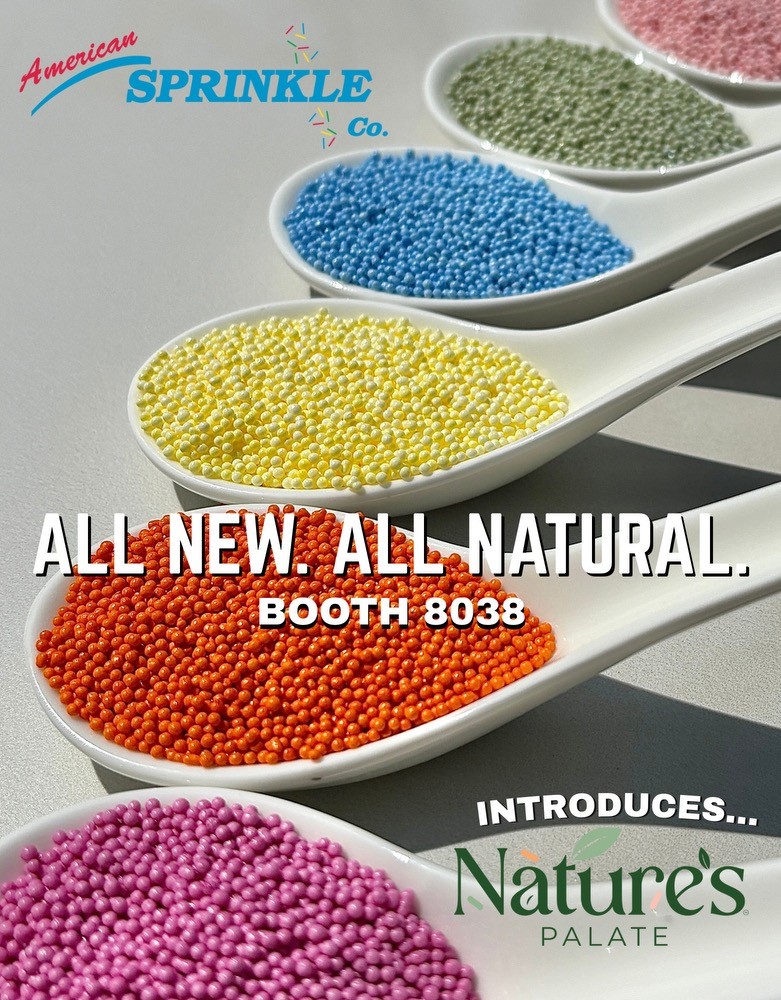
Have you ever wondered why those tiny, colorful sugar pearls that make your cookies and cakes sparkle are called nonpareils? If you’re a baking enthusiast or just love adding that perfect crunch to your desserts, you’re not alone. This week we’re diving into the charming origin of nonpareils—without getting too textbook about it.
The word nonpareil comes straight from French. Non means “not” or “no,” and pareil means “equal.” Put together, it translates to “without equal” or “peerless.” Centuries ago, these little sugar spheres were considered the ultimate decoration—elegant, delicate, and simply unmatched for turning ordinary desserts into showstoppers.
Nonpareils first appeared in French recipes as far back as the 17th century. They likely evolved from comfits (sugar-coated seeds or nuts used in both medicine and confectionery). Early confectioners discovered that tiny versions of these sugar-coated treats made beautiful, shiny decorations for cakes and elaborate table displays. Over time, the name stuck because nothing else quite compared to the way nonpareils added texture, color, and that satisfying little crunch.
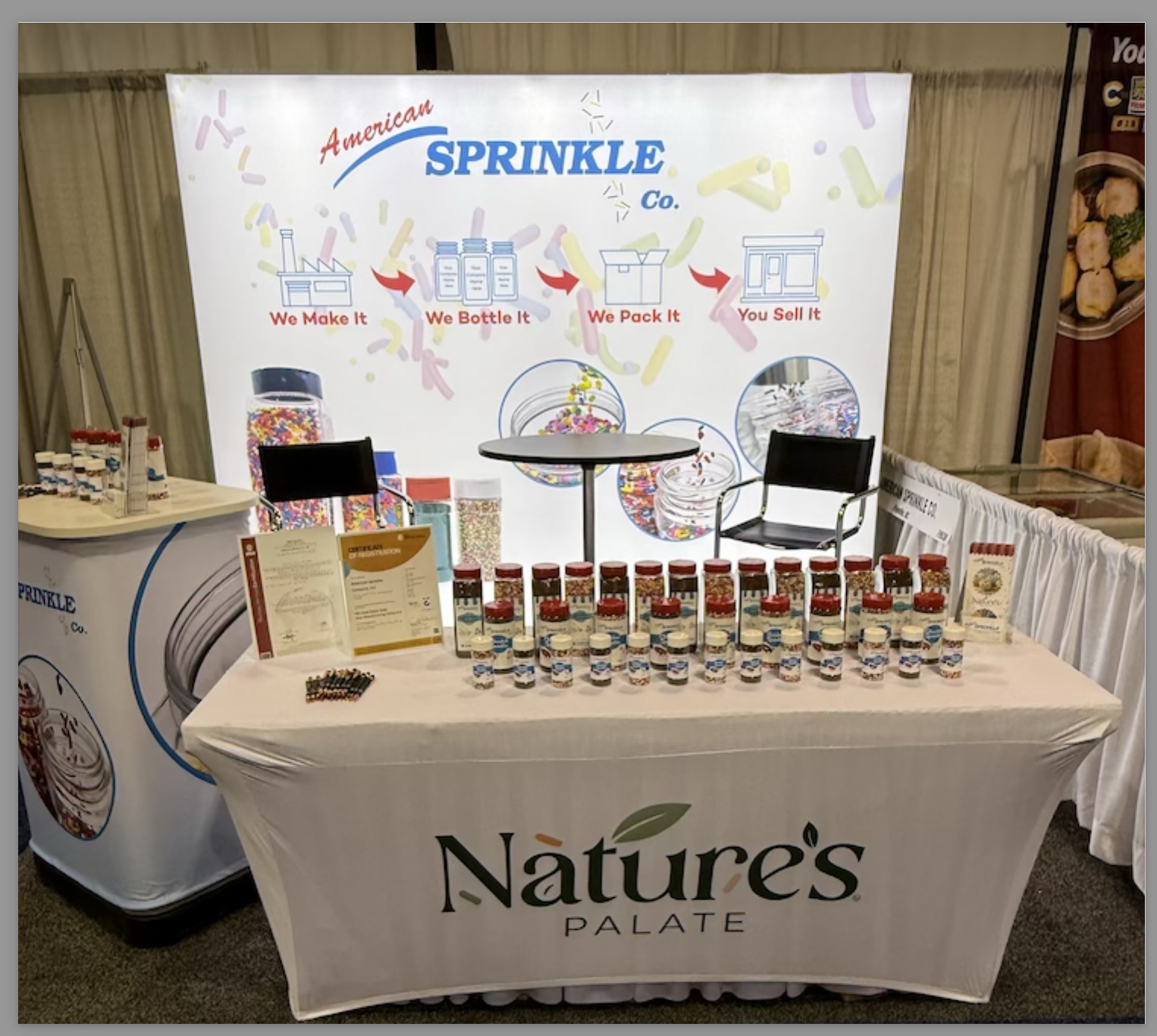
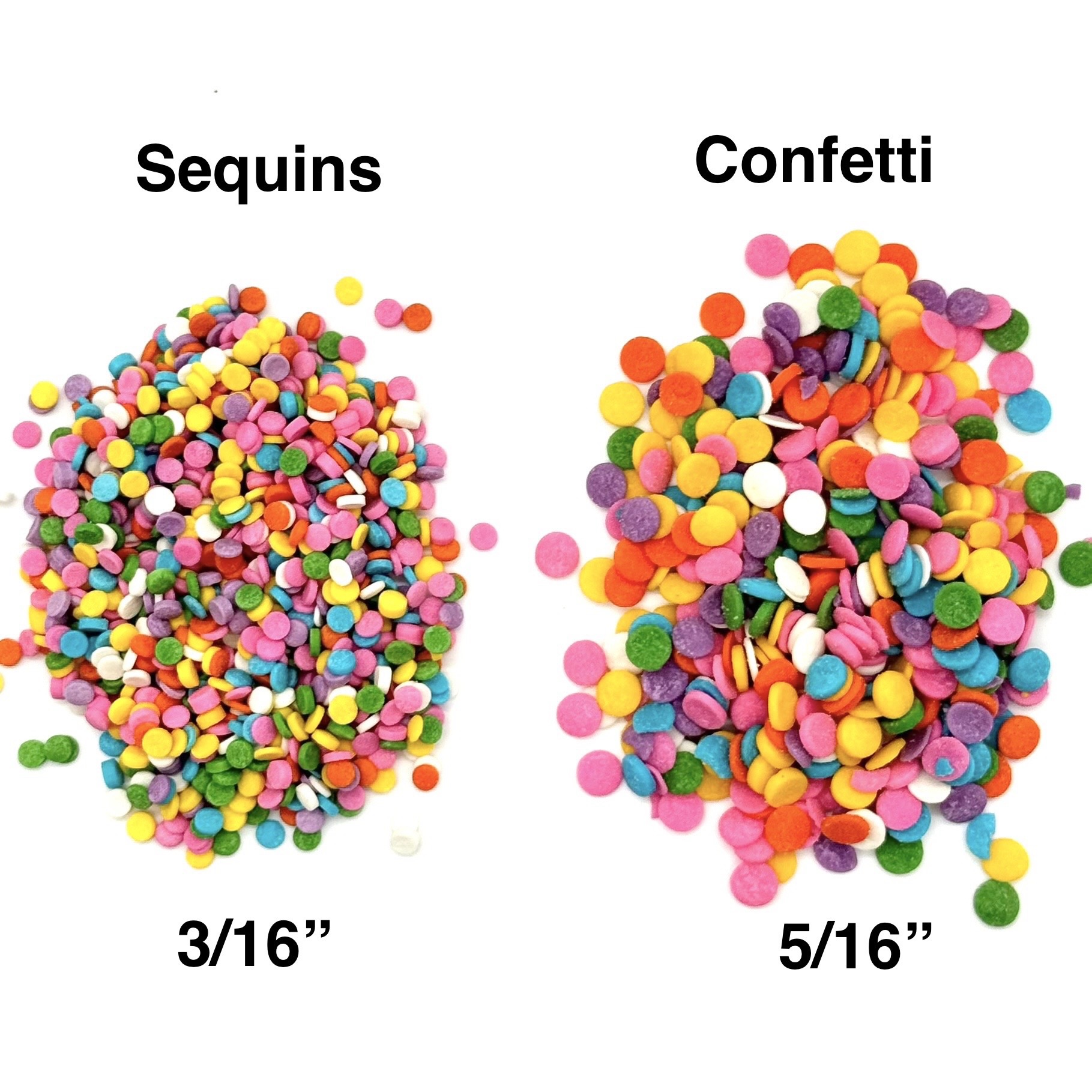
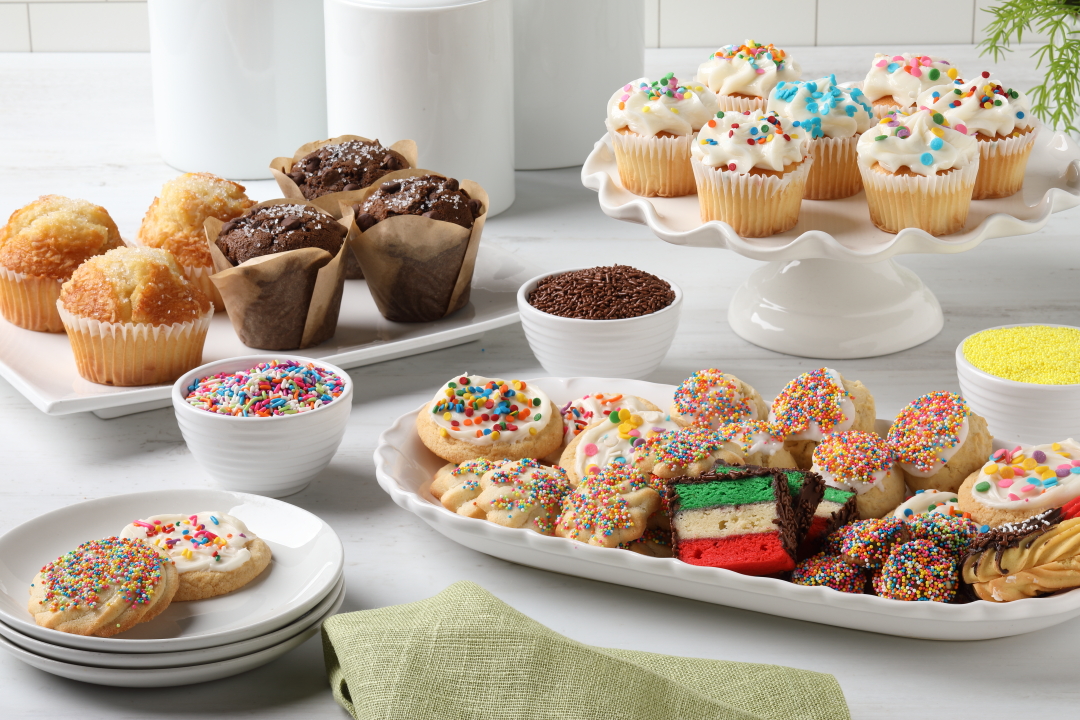
Whether you’re decorating cupcakes for a birthday, topping homemade chocolate nonpareils, or adding sparkle to holiday cookies, these tiny pearls remain a timeless favorite. They’re proof that sometimes the smallest things make the biggest impact! At American Sprinkle co, we manufacture nonpareils right here in Charlotte, NC in three great options:
Have you used nonpareils in a recent bake?
Ready to add some “without equal” crunch to your next creation?
.png)


.png)
.jpg)
.webp)